

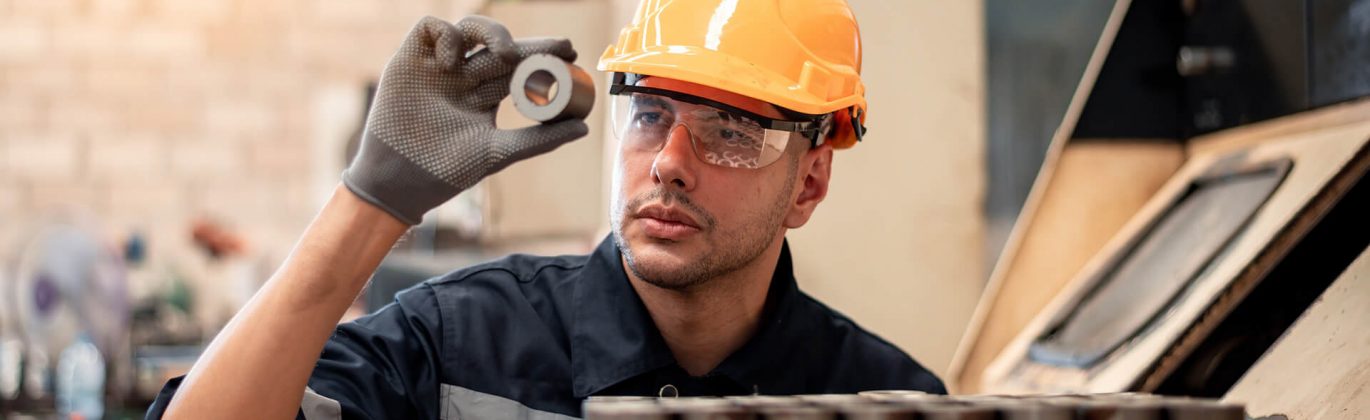
Industrial equipment rarely stops without giving some indication beforehand. In most facilities, failures are preceded by small, measurable changes in components, often visible as wear patterns. These changes reflect how machinery is running day to day and point to issues forming beneath the surface.
Uneven bearing wear, scoring on a shaft, or components running hotter than expected are not isolated coincidences. They are physical signs that equipment is being pushed beyond normal operating conditions well before a failure takes place.
Wear patterns form over time as equipment operates under load, heat, vibration, and repeated mechanical stress. Inspections allow these conditions to be identified while the equipment is still operating. Tracking wear, alignment, and material condition makes it possible to correct problems before they escalate into breakdowns.
Common Wear Patterns and What They Indicate
Early signs of equipment deterioration often appear in predictable ways, including:
- Uneven or tapered wear on shafts is commonly associated with misalignment
- Scoring or grooving on bearing surfaces, often caused by lubrication failure or contamination
- Concentrated wear on one side of a component, which may indicate uneven or shifting loads
- Heat discoloration, pointing to friction, overload, or cooling issues
- Cracking near welds or high-stress areas, typically linked to fatigue over repeated cycles
These conditions rarely bring operations to a halt immediately. However, addressing them early allows maintenance teams to step in before damage spreads, plan repairs around production schedules, extend equipment life, and limit unexpected downtime.
Reducing Unplanned Downtime and Emergency Repair Costs
Emergency repairs tend to disrupt operations and increase costs due to unplanned downtime, expedited labor, and material delays. Preventive inspections reduce these risks by allowing facilities to:
- Correct localized issues before they affect adjacent components
- Prevent secondary damage caused by continued operation under stress
- Maintain steadier, more predictable maintenance budgets
Thompson Repairs’ Inspection and Reporting Standards
At Thompson Repairs, inspections are treated as a diagnostic process rather than a visual check. The goal is to understand equipment condition and determine why wear or damage is occurring.
Our inspection process includes:
- Close evaluation of wear patterns and stress points
- Identification of underlying causes, not just surface damage
- Clear documentation of findings and recommended corrective actions
- Reporting that supports maintenance planning and operational decisions
A detailed inspection helps teams prioritize repairs, schedule corrective work effectively, and reduce the likelihood of repeat failures.
Turning Insight Into Action
Schedule an inspection consultation to assess equipment condition, identify developing issues, and plan maintenance before failures disrupt operations.
Thompson Repairs
Serving Jacksonville and Northeast Florida with precision fabrication, machining, welding, and industrial repair services since 1988.