

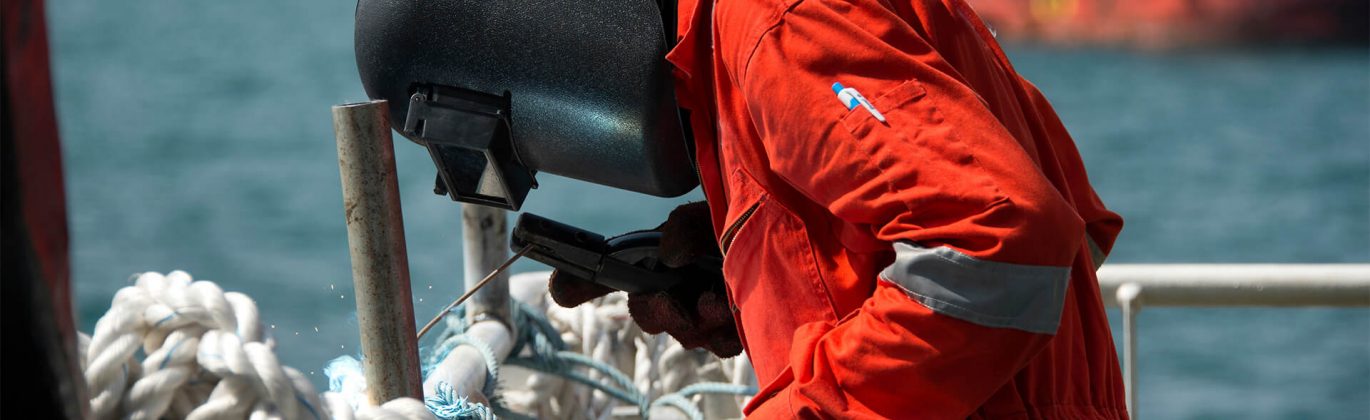
Marine-Grade Metal Fabrication: What Makes Jacksonville’s Saltwater Environment Different
Jacksonville’s waterfront is full of life, from boats gliding down the St. Johns River to industrial docks supporting marine operations. But beneath the surface beauty, the city’s saltwater environment poses one of the toughest challenges for any metal structure: corrosion.
When exposed to humidity, salt spray, and constant moisture, even the strongest metals can break down. That’s why marine-grade metal fabrication plays a crucial role in ensuring long-lasting performance across Jacksonville’s marinas, vessels, and coastal facilities.
Let’s explore how the ocean’s chemistry impacts metal, why certain materials are better than others, and what fabrication methods keep marine structures strong in Jacksonville’s demanding conditions.
Why Saltwater Environments Are Tough on Metal
Saltwater corrosion is far more aggressive than most inland environments. The reason lies in the chemistry of salt and oxygen.
Saltwater contains chloride ions, which attack the protective oxide layers that normally keep metals from rusting. Once these layers break down, oxygen and moisture penetrate the surface and trigger corrosion. The result is rust, pitting, and even structural failure if left unchecked.
In Coastal Jacksonville, the situation is intensified by several factors:
- High humidity that keeps metal surfaces damp.
- Salt-laden air carried inland by sea breezes.
- Frequent temperature changes that cause condensation.
- Direct seawater contact on docks, boats, and marine equipment.
This combination means metals in Jacksonville corrode much faster than in inland regions. A railing that lasts a decade inland might start rusting within months on the coast if not properly fabricated and protected.
The Science Behind Marine-Grade Metal Fabrication
Marine-grade metal fabrication is about more than just choosing “strong” materials. It’s an engineering approach designed to combat corrosion at every stage — from material selection to finishing techniques.
To perform in a marine setting, fabricated metals must resist chloride-induced corrosion, galvanic reactions, and surface degradation caused by salt and UV exposure.
This means the right fabrication process should:
- Use corrosion-resistant materials.
- Minimize crevices where saltwater can accumulate.
- Seal welds completely.
- Apply protective coatings designed for marine use.
Each of these steps contributes to longevity and reduces long-term maintenance costs — essential for Jacksonville’s waterfront industries and boat owners alike.
304 vs. 316 Stainless Steel: Understanding the Difference
Stainless steel is one of the most common materials used in marine fabrication, but not all grades perform equally near the ocean. Two grades dominate the market: 304 and 316 stainless steel.
304 Stainless Steel
- Ideal for indoor or dry environments.
- Contains chromium and nickel for general corrosion resistance.
- Common in inland construction and light outdoor use.
However, in Jacksonville’s salt-heavy air, 304 steel is vulnerable to pitting corrosion. Tiny pits can form and grow rapidly, compromising strength and appearance.
316 Stainless Steel
- Contains molybdenum, which increases resistance to chlorides and saltwater.
- Performs exceptionally well in marine and coastal conditions.
- Often called “marine-grade” stainless steel for this reason.
The small addition of molybdenum makes a big difference. For structures exposed to salt spray (such as boat fittings, dock ladders, or handrails), 316 stainless steel is the preferred option.
While it’s more expensive upfront, the savings in maintenance and replacement costs make it the smarter long-term choice for anyone working near the coast.
Protective Coatings: Extending Metal Life in Jacksonville’s Climate
Even the best metal alloys benefit from an extra layer of defense. That’s where protective coatings come in. These surface treatments create a physical barrier that blocks moisture, oxygen, and salt from reaching the metal beneath.
Some of the most effective marine coatings include:
- Epoxy Coatings
Excellent for submerged or splash-zone structures, epoxy creates a dense, waterproof layer that resists impact and chemical damage.
- Powder Coating
Adds both color and protection. Powder-coated finishes are durable, UV-resistant, and great for exposed structures like rails and ladders.
- Galvanization
Involves coating steel with zinc. The zinc layer corrodes first, protecting the underlying metal, a process known as sacrificial protection.
- Anodizing (for Aluminum)
Strengthens aluminum surfaces, enhances corrosion resistance, and allows for aesthetic customization.
Choosing the right coating depends on the project’s location and exposure. For example, parts constantly submerged in seawater require a different approach than those exposed only to salty air.
Welding and Design: Hidden Factors That Impact Durability
Many corrosion problems don’t come from the metal itself; they come from how it’s fabricated. Poor design or improper welding can create weak points where saltwater collects and corrosion starts.
To prevent this, marine-grade fabrication in Coastal Jacksonville follows strict design principles:
- Smooth welds and joints prevent water entrapment.
- Full-penetration welds eliminate hidden cavities.
- Proper drainage angles allow water to flow off surfaces.
- Avoiding dissimilar metals reduces galvanic corrosion (when one metal corrodes faster due to electrical interaction with another).
These design details may seem small, but they can double or triple the lifespan of a structure.
Applications of Marine-Grade Fabrication in Jacksonville
Marine-grade fabrication touches nearly every part of Jacksonville’s coastal economy. Here are some common uses:
- Marinas and Docks: Cleats, ladders, guardrails, and support frames that resist corrosion under constant exposure.
- Boating Industry: Stainless steel fittings, tanks, and brackets that maintain strength and appearance in saltwater.
- Coastal Industrial Sites: Structural supports, handrails, and enclosures built for humid, salt-heavy air.
- Residential Projects: Balconies, staircases, and decorative metalwork designed to withstand sea breeze and rain.
Each application requires a specific combination of material, coating, and fabrication method to ensure longevity.
Why Inland Fabrication Practices Don’t Work on the Coast
Fabrication methods developed for inland environments often fail near saltwater. The main reason is the lack of attention to chloride corrosion and humidity control.
For example:
- Using 304 instead of 316 stainless steel might save money initially but leads to early rusting.
- Incomplete welds can trap saltwater, causing hidden damage.
- Uncoated or improperly coated surfaces deteriorate faster under UV and salt exposure.
Jacksonville’s conditions demand marine-specific experience and materials. Fabricators working near the ocean must understand the science of corrosion and apply best practices from start to finish.
Maintenance: Keeping Marine Metal Structures in Top Shape
Even marine-grade metal needs care. Regular maintenance ensures coatings remain intact and surfaces stay clean. Simple steps can make a major difference in longevity:
- Rinse with fresh water after exposure to salt spray.
- Avoid harsh abrasives that damage protective finishes.
- Inspect joints and welds for early signs of corrosion.
- Reapply coatings as needed, especially in high-impact or underwater zones.
The National Association of Corrosion Engineers (NACE) provides excellent insights into corrosion control for marine environments. Their resources on corrosion prevention are helpful for engineers and facility managers looking to extend metal performance.
Jacksonville’s Advantage: Local Expertise in Marine Fabrication
Choosing a local fabricator familiar with Coastal Jacksonville gives any project a significant advantage. Local experts understand the region’s humidity levels, salt exposure, and seasonal weather shifts, all critical factors in marine-grade design.
They know how to source the right materials, apply coatings correctly, and anticipate maintenance needs specific to the area’s conditions. This localized knowledge helps ensure that docks, boats, and coastal infrastructure stay durable for years to come.
Get a Quote for Marine-Grade Fabrication in Jacksonville
Whether you’re building a dock, upgrading a vessel, or maintaining coastal equipment, marine-grade fabrication is an investment in durability and safety.
If you want to protect your project from the harsh effects of saltwater, reach out to Thompson Repairs for expert advice and a custom fabrication quote. Their team specializes in creating corrosion-resistant, high-performance metalwork built specifically for Jacksonville’s marine environment.
Contact Thompson Repairs today to discuss your marine fabrication needs and get a personalized estimate.