

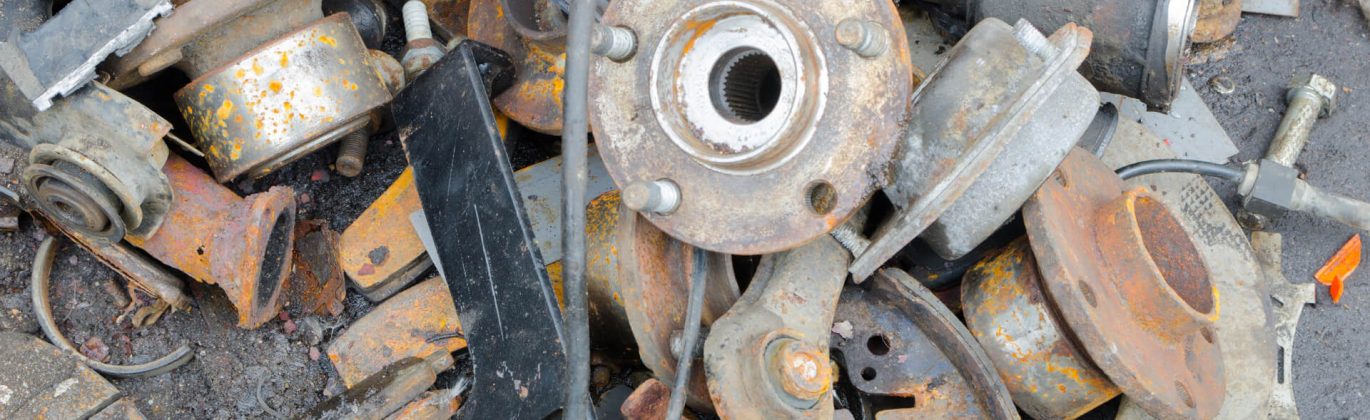
When a part fails, the replacement is only one piece of the total cost. If production is down, maintenance is tied up, or a replacement has to be rushed in, those extra hours can quickly cost more than the part itself.
At Thompson Repairs, we want to understand what caused the failure before we build a replacement because the right solution isn’t always to make the same part again. Sometimes it is. In other cases, changing the material, thickness, or reinforcement in the right place can help keep the same problem from coming back.
The Cost Goes Beyond the Part
When production stops, the cost can quickly spread beyond the failed part as operators wait, maintenance shifts its attention to the repair, other work gets delayed, and a routine shipment suddenly becomes an overnight order because the replacement is needed right away.
Every plant will have a different number for what an hour of downtime costs, but even a rough estimate helps put the part’s price in perspective. If a line represents $2,000 in production per hour, four hours offline means $8,000 in lost production before you even add labor, freight, overtime, or the time needed to get back on schedule.
That is why saving a few hundred dollars on the replacement may not be much of a savings if the same part fails again a few months later.
The most expensive option isn’t always the right one, but the cheapest option isn’t automatically the best value either.
What Happens When the Same Part Fails Again?
One of the first things we want to know is how the original part failed. We look at where the crack started, what wore out first, whether anything bent under load, and whether the same failure has happened before.
That information helps us understand whether the part should simply be recreated or whether something in the design should change.
Sometimes the best solution is an accurate replacement. Our precision machining capabilities allow us to recreate components when the original design is working and the main goal is getting the right part back into the equipment.
In other cases, copying the part exactly can also bring back the same weak point. For obsolete parts or components that may benefit from a design change, our AutoCAD and reverse-engineering capabilities help us review the original part and decide whether a modification makes more sense.
Fix the Weak Point, Not the Whole Part
If a plate keeps wearing out in the same spot, making the whole assembly heavier may not be necessary. A wear plate, a different material, or a little more thickness where the wear is happening may be enough to fix the issue.
The same goes for a bracket that keeps bending near a connection, a hole that starts to wear out under repeated loading, or any part that keeps failing in the same place.
In those cases, the goal is not to make everything stronger. It is to find the weak point and make the right change there.
That is where custom metal fabrication can help. Instead of simply copying the original part, we can look at whether a change in material, thickness, shape, or reinforcement could help it last longer without adding more weight or cost than necessary.
If a small change prevents another shutdown, it can pay for itself quickly.
Heavier Is Not Always Better
Not every failed part needs reinforcement, especially when the component is designed to wear over time and can be replaced easily without causing much downtime.
Adding more material can also create new issues. A heavier part may put more stress on bearings, motors, moving assemblies, or other connected components, and it can make installation or removal harder than it needs to be.
At Thompson Repairs, the goal is not to make every part heavier. It is to understand how the part is being used, why it failed, and whether a change would actually make a difference.
The Failed Part Only Tells Part of the Story
The part itself can tell us a lot, but a little context makes it easier to understand what happened.
When you request a quote, let us know where the part failed, whether it has happened before, what the equipment was doing at the time, and whether the failure stopped production. Photos, dimensions, material information, quantity, and the date you need the part back also help us get a clearer picture of the job.
If you are preparing a repair or fabrication request, our guide on what to send us so a quote comes back fast covers the information we need to get started.
A good replacement does not need to be heavier, more complicated, or more expensive than necessary. It needs to make sense for the job. Sometimes that means recreating the original part exactly; other times, one well-placed change can keep the same failure from happening again.
Call Thompson Repairs at (904) 384-5175 before the next failure, not after.