

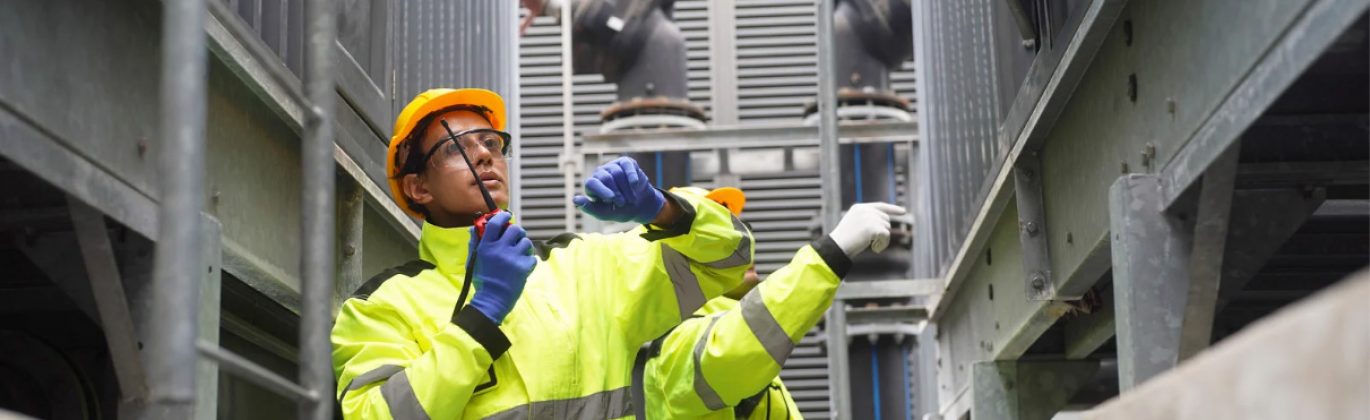
When preventive inspections are skipped, equipment problems rarely announce themselves in advance.
Small issues are left unnoticed until they turn into breakdowns, and those breakdowns usually happen at the worst possible time. The result is rushed repairs, lost production time, added safety concerns, and higher costs.
A preventive inspection program changes that pattern. Regular inspections make it easier to spot wear, misalignment, or developing faults before they affect operation. Addressing these findings early allows repairs to be planned instead of rushed, reducing the likelihood of emergency intervention.
Over time, making inspections part of normal maintenance work leads to more dependable equipment, fewer unexpected shutdowns, and better overall control of maintenance costs and schedules.
Most Failures Do Not Happen Overnight
Equipment rarely fails all at once. In most cases, problems build gradually as parts operate under constant load, vibration, and heat. Wear develops little by little, alignment drifts, and repeated stress weakens materials over time. Exposure to moisture, debris, or corrosion can accelerate this process, even while the equipment appears to be running normally.
Because machines often continue operating despite these changes, early warning signs are easy to overlook. Without routine inspections, small issues can go unnoticed until they reach a breaking point. Preventive inspections help bring these conditions to light early, allowing problems to be corrected before they escalate into emergency repairs.
The Importance of Preventive Inspections
When issues are caught early, repairs can be planned around production schedules, helping avoid unexpected shutdowns. This makes it easier to coordinate labor, line up materials, and control how long equipment is offline.
Finding problems early also makes repairs more manageable. A worn part or alignment issue can often be corrected before it affects other components.
Performing preventive inspections helps achieve:
- Less downtime
- Less disruption
- Fewer large-scale repairs
- More stable operations
- Equipment that stays in service longer
Emergency repairs often begin as small problems that are easy to miss. Preventive inspections make those issues visible earlier, giving teams time to plan maintenance instead of reacting to failures. Over time, this approach supports more reliable operations and helps equipment remain in service longer.
Schedule a consultation today to discuss repair needs, ongoing equipment challenges, or upcoming maintenance work.
Thompson Repairs
Serving Jacksonville and Northeast Florida with precision fabrication, machining, welding, and industrial repair services since 1988.