

If a key part breaks and you can’t find a replacement, or if a standard part doesn’t work right, you waste time trying to make something fit that doesn’t.
Custom metal fabrication solves this problem by letting you get parts made to fit your exact needs.
What Custom Fabrication Actually Means
Custom fabrication involves designing and making metal parts from scratch to meet your needs. Unlike standard parts, these are built for your exact application, size, material, and strength requirements.
The process usually has three main steps:
- Design
- Material selection
- Fabrication
Design usually starts with CAD software. It lets engineers model the part, spot fit problems, and create drawings ready for fabrication.
Choosing the right material depends on what the part must do, such as how strong it needs to be, the conditions it will face, and the wear it will experience.
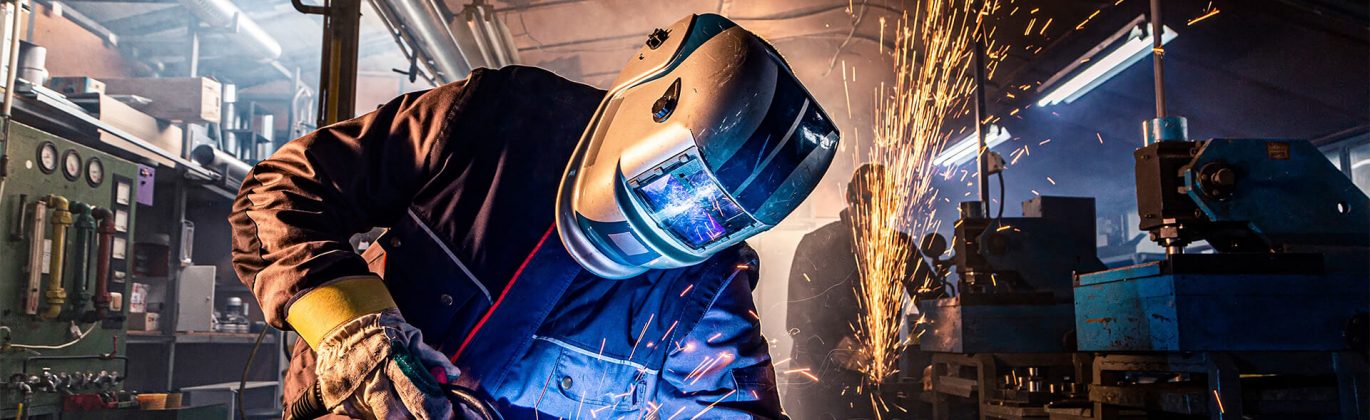
Lastly, fabrication involves cutting, shaping, welding, and machining to produce the finished part.
When Standard Parts Stop Working
Standard parts work well until your needs exceed their design, which happens often in industrial settings.
When you update equipment, face space issues, or need parts to handle more, standard parts might not be enough. Sometimes machines are so old you can’t get replacement parts.
In these situations, a custom-made part is often the only dependable answer.
Where Custom Fabrication Makes the Biggest Impact
Custom fabrication can replace outdated parts, adapt pieces for new equipment or layouts, or strengthen parts that must handle more stress. It also makes special items like brackets, supports, or tools you can’t buy off the shelf but need to keep things running smoothly.
No matter the case, the goal is always to fix problems that standard parts just can’t solve.
How Precision Affects Complex Builds
A part’s success often depends on its tolerance. In precision machining, tolerances are measured in thousandths of an inch. Small differences can cause vibration, misalignment, faster wear, or failure under stress. That’s why the design stage is as important as fabrication. CAD models help spot problems early and provide a solid reference for future changes.
When Is the Time to Call a Fabricator
Custom fabrication is often more cost-effective, especially if waiting for a replacement halts operations, standard parts keep failing, or your needs exceed what’s available. Involving a fabricator early helps avoid expensive mistakes and gives you more control over results.
If you’re dealing with a specific operational problem, Thompson Repairs can create a custom solution for you.
We have provided durable, custom solutions since 1988. From precision machining to industrial welding, every part is built for performance and longevity.